Brick · Sandstone · Natural stone · Concrete
Brick & stone protection
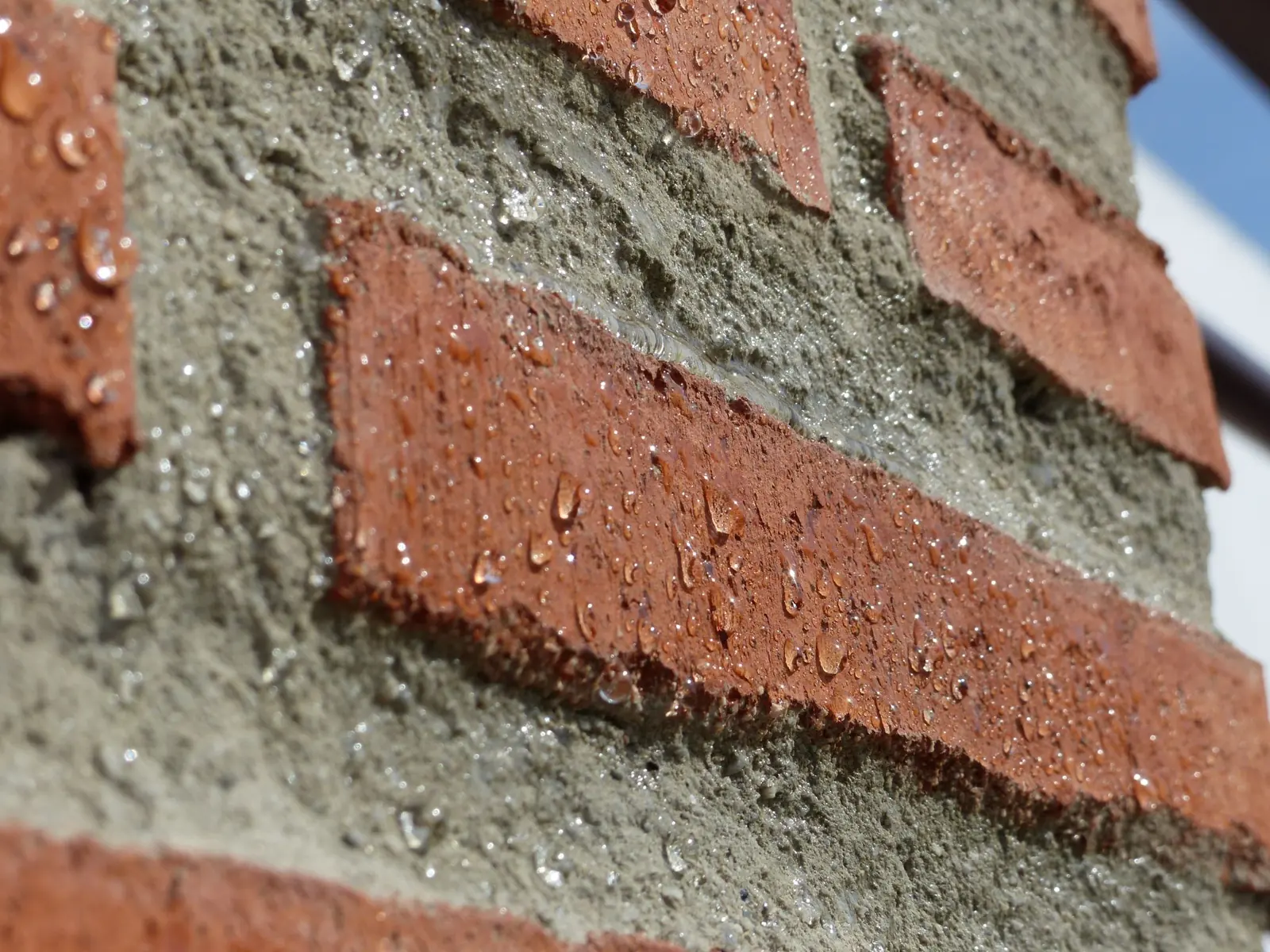
Some walls shouldn't be painted. Masonry Crème soaks into bare brick, stone and sandstone and leaves it looking exactly as it did — just dry, warmer and much harder for dirt and growth to cling to.
ProPERLA Masonry Crème
What's involved
How we do it.
Masonry inspection
Brick type, porosity, pointing condition and any signs the damp is coming from somewhere else entirely.
Exterior wall cleaning
Dirt, algae and organic growth removed with methods appropriate to the stone — sandstone in particular needs care.
Localised repointing
Failed pointing raked out and made good. A treatment can't compensate for open joints.
Minor masonry repairs
Spalled brick faces and small defects dealt with before treatment.
Protection and masking
Windows, frames, paving and planting protected.
Masonry Crème application
Applied to the prepared surface at the specified rate, then left to cure.
Watch it work
Masonry Crème being applied to brickwork.
Manufacturer's film — worth a minute.
Our own jobs
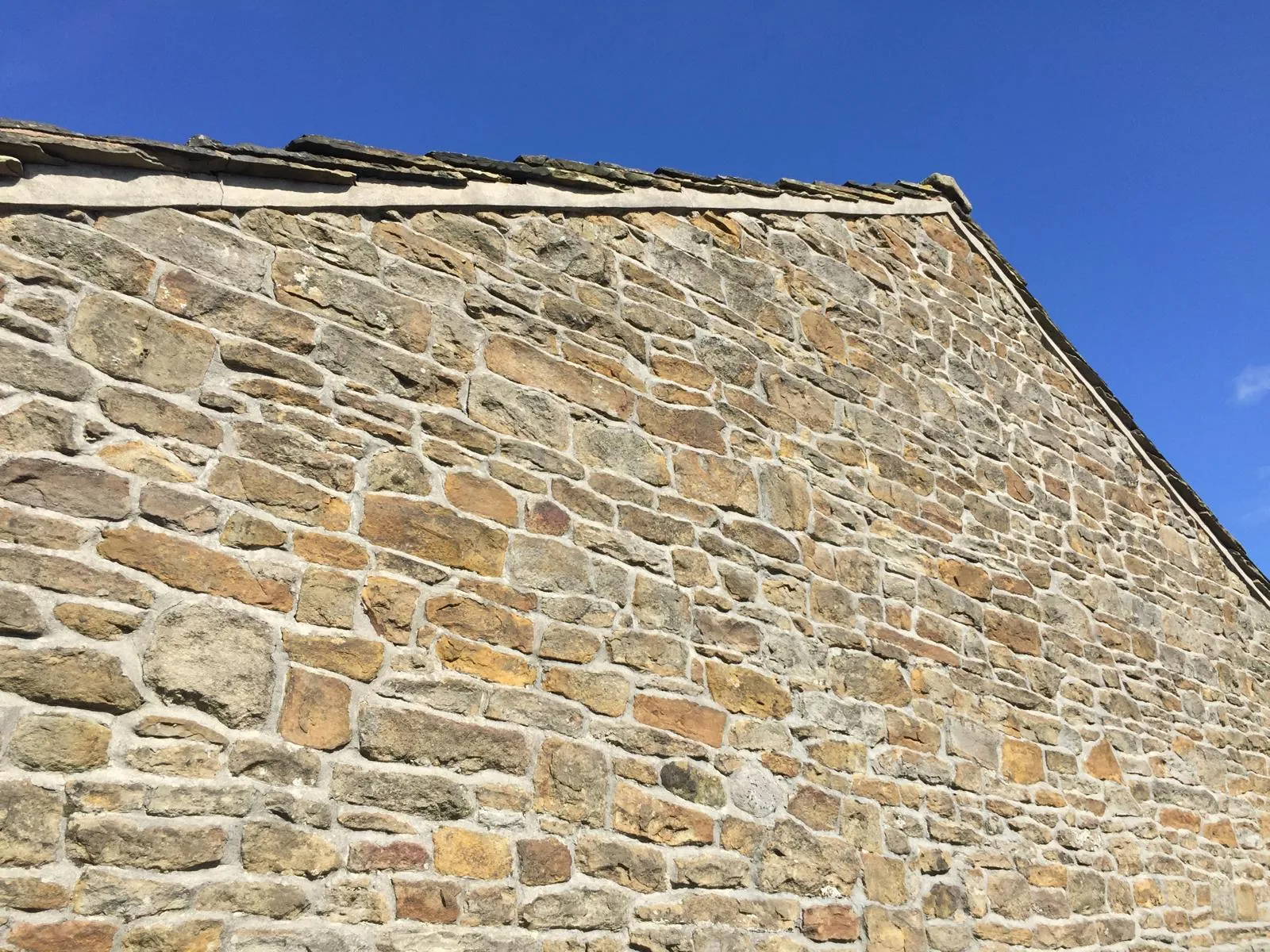
On the brick. And the stone.
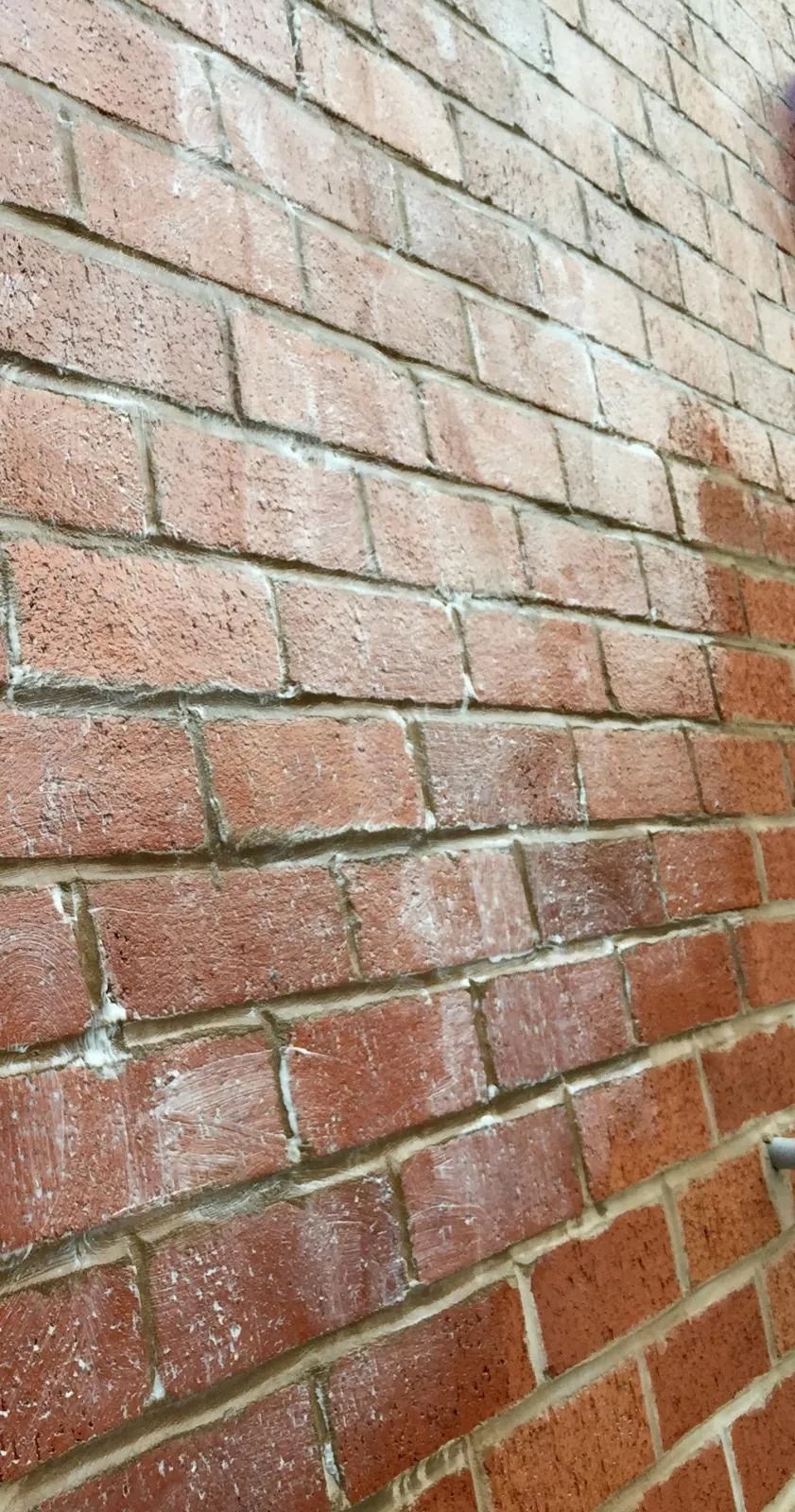
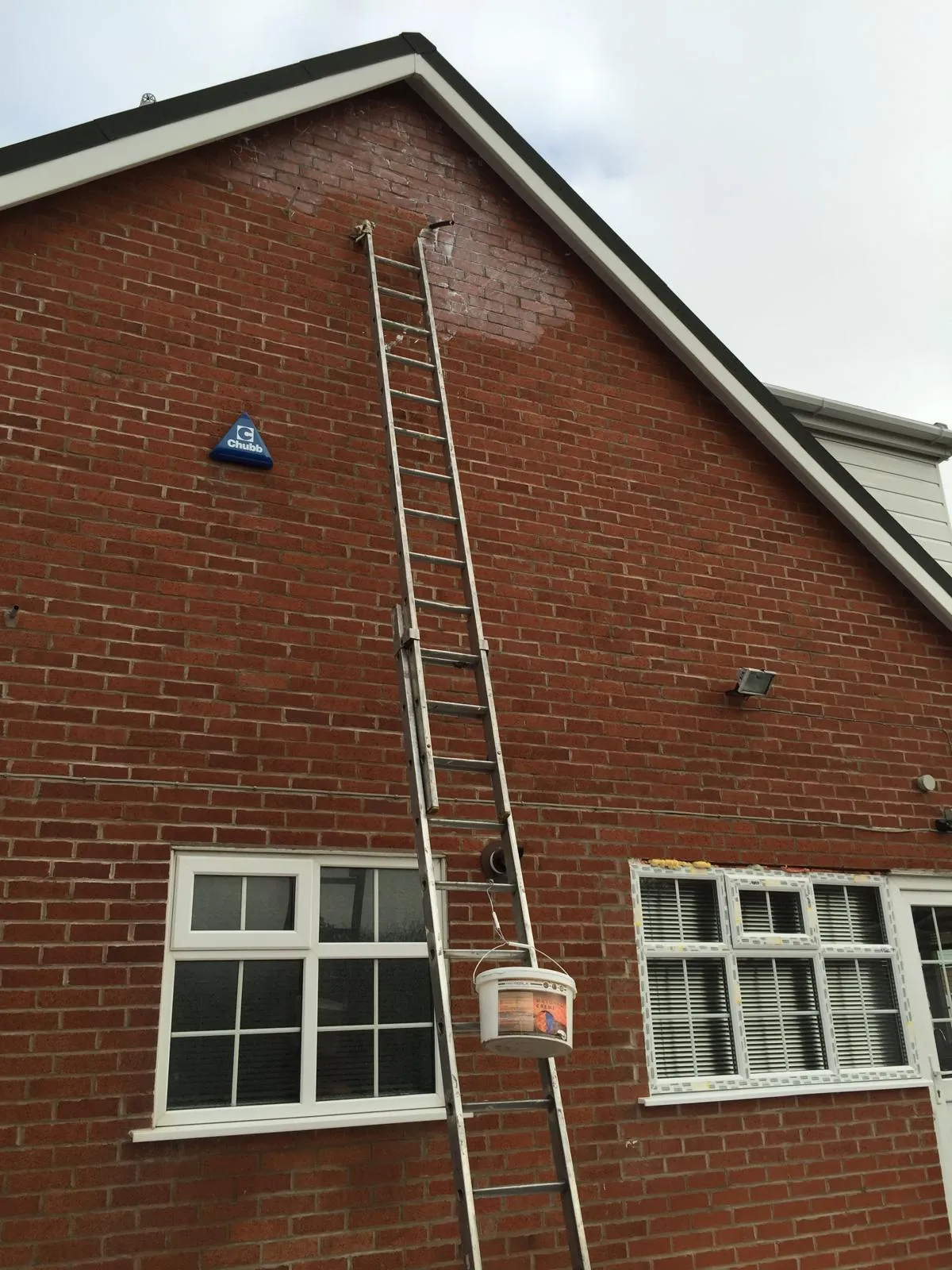
Our photos, our jobs. Masonry Crème goes on white, soaks in, and cures clear — the wall keeps its face and loses the damp.
Salts & efflorescence
That white bloom on the brickwork.
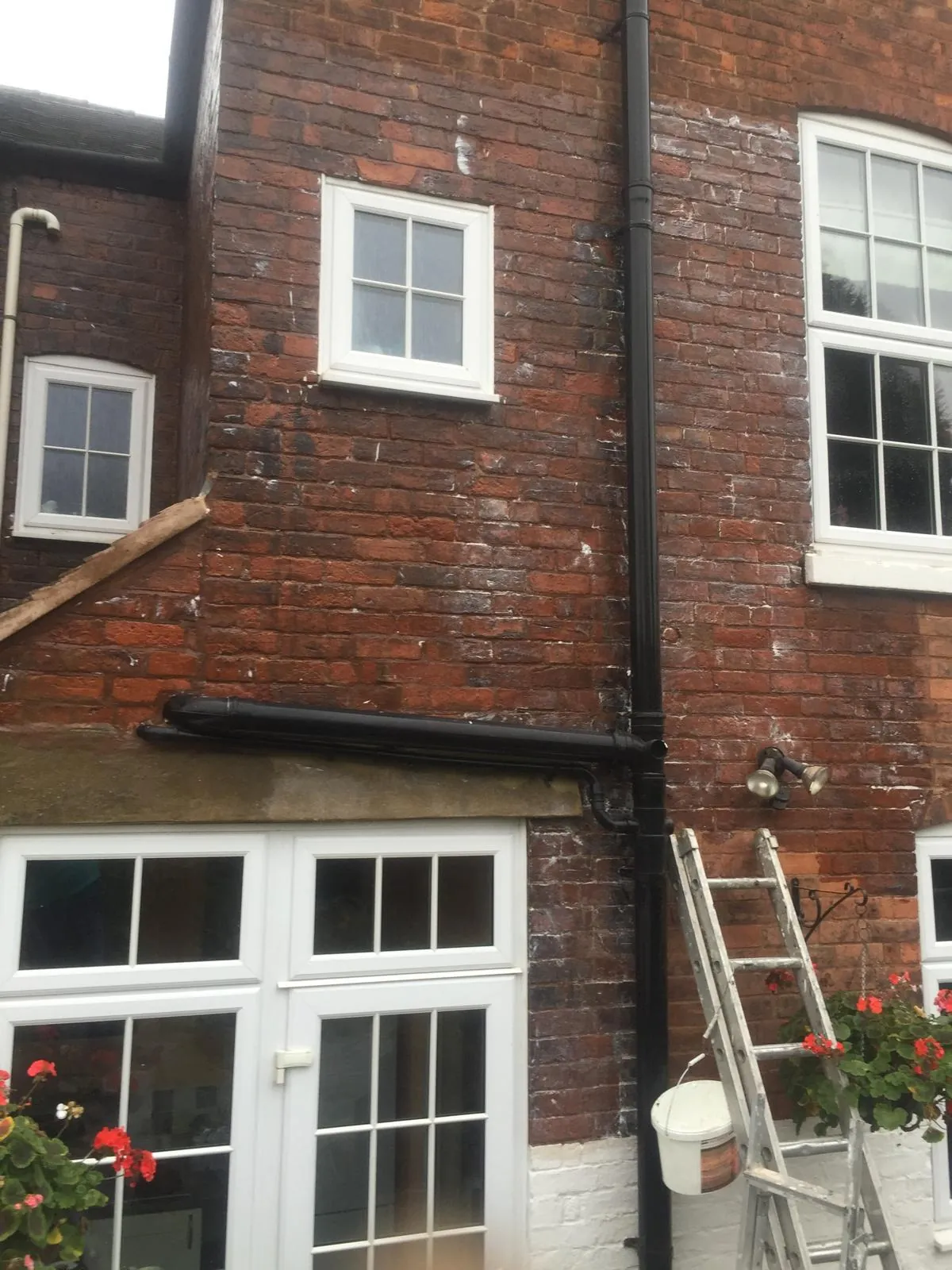
Chalky white patches on brick or stone — worst near the ground, on the weather side, or in a line down beside a downpipe. It isn't limescale and it isn't old paint. It's salt, and it's telling you the wall is getting wet.
Where it comes from
Water soaks into the masonry, dissolves the natural salts inside the brick and mortar, and carries them to the surface. The water evaporates and leaves the salt behind as a white crust. Every time the wall gets soaked it happens again — which is why brushing it off only works for a while if the brick is still drinking.
The honest caveat: heavy or fast-returning efflorescence usually means something is actively feeding the wall — a leaking gutter or downpipe, a bridged cavity, ground levels above the damp course, or a defect at a sill. We look for that at the survey. Treating the face of a wall while water is still getting in behind it is the wrong job, and we'll say so.
What treating the wall changes
The existing bloom comes off during preparation — cleaned down before anything is applied. Masonry Crème then soaks into the brick and repels liquid water while staying breathable, so the masonry dries out and stops drawing fresh salts to the face.
A dry wall is a warmer wall, and a much less welcoming one for algae and organic growth. The brick keeps its own colour and texture — there's no film or sheen over the face of it.
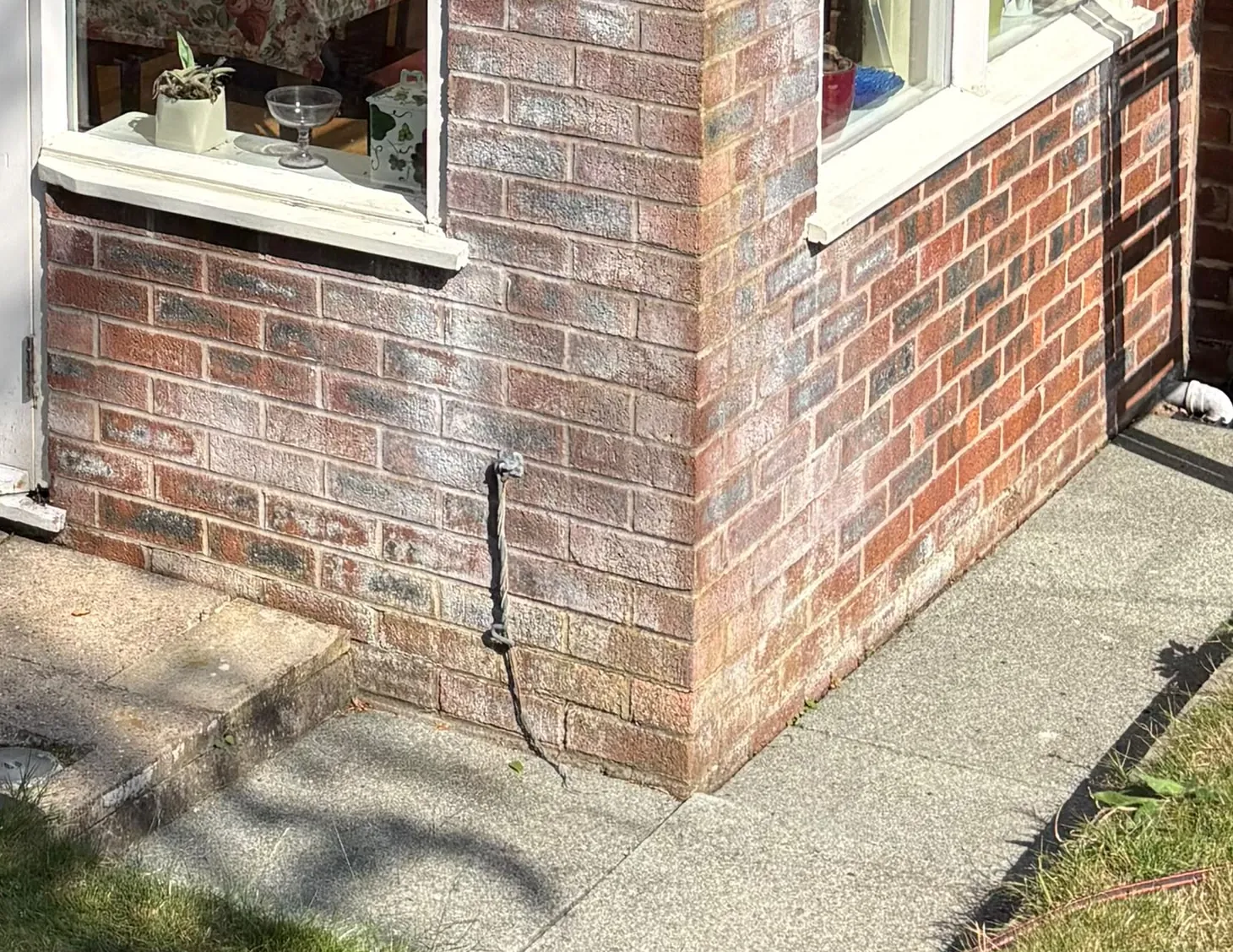
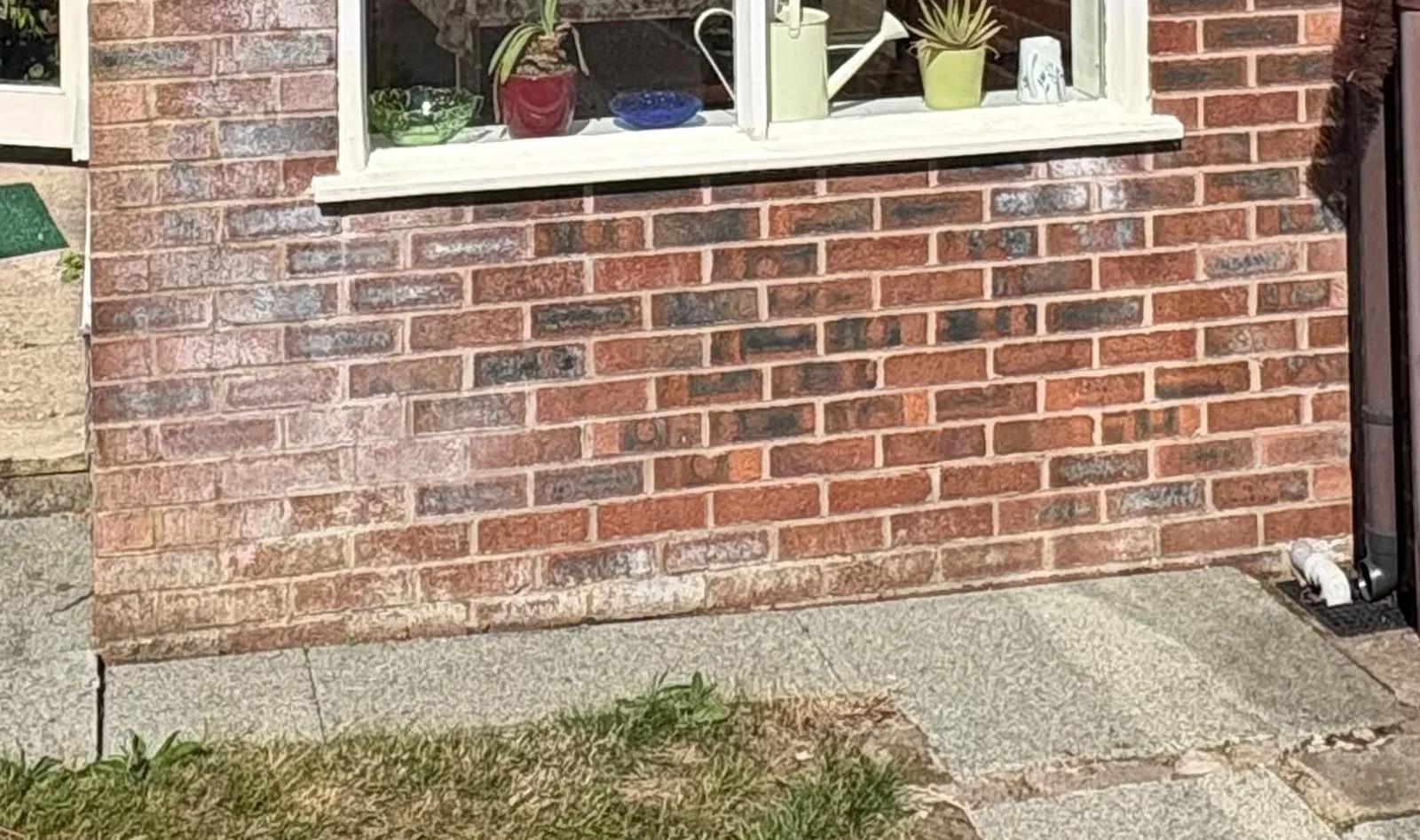
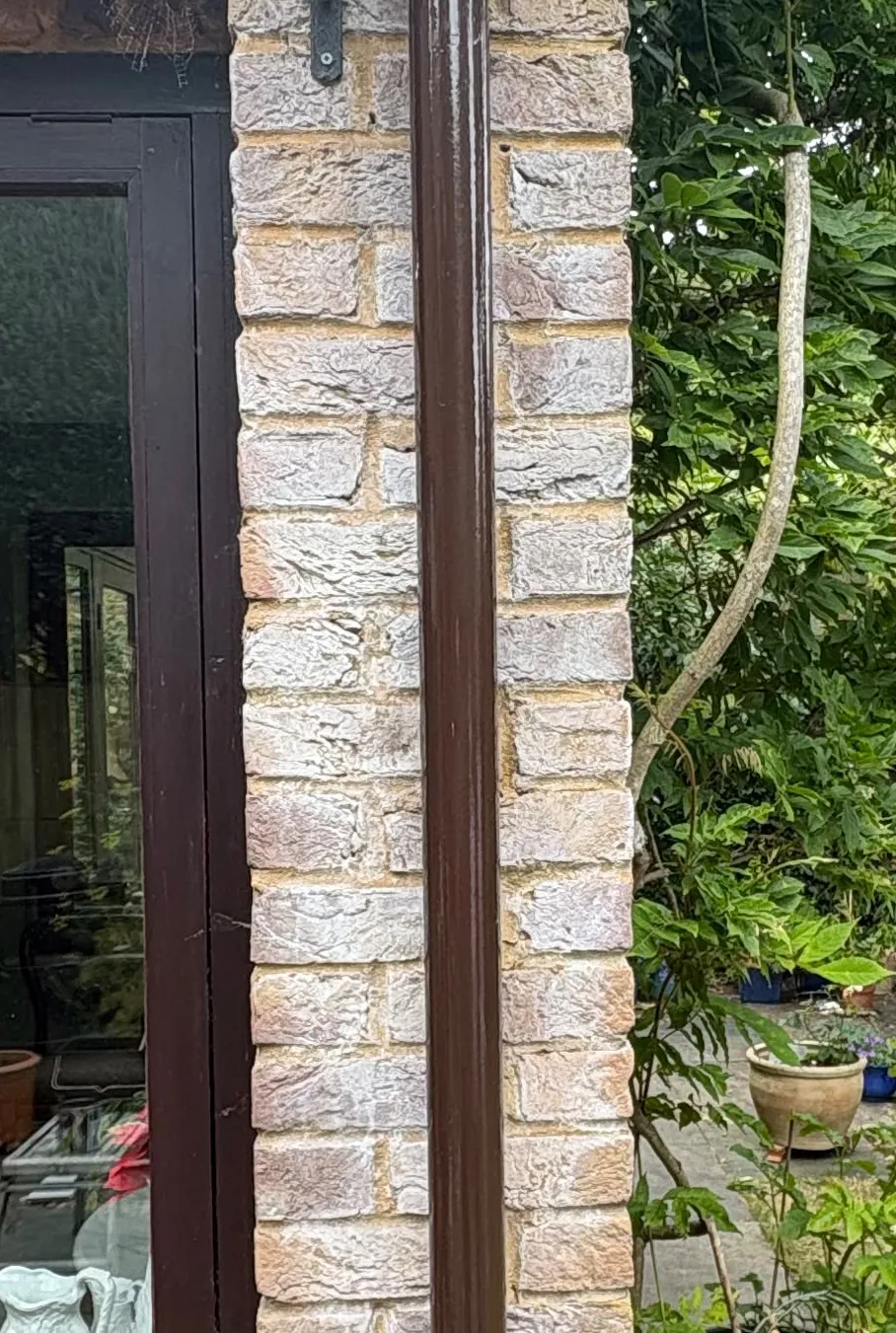
Survey photos from our own visits. If your brickwork looks like this, it's worth getting looked at before another winter goes through it.
Suitable for
- Bare, unpainted brick, stone and sandstone
- Period and solid-wall properties where the look must not change
- Exposed elevations taking the weather
- Cold rooms on the other side of a wet external wall
Not suitable for
- Previously painted or sealed masonry
- Walls where the pointing has failed and isn't being repaired
- Rising damp or a plumbing leak masquerading as wall damp
If yours falls in the second column we'll tell you at the survey rather than take the job. It's the cheapest thing we do for you.
Free property survey
Get it looked at properly.
Leave your details and one of our specialists will call to check a few things and book a survey. Free, and no obligation — if it isn't suitable we'll tell you.
Rather talk now? 0151 440 3603 or WhatsApp.
Questions
Asked before you ask.
What are the white marks on my brickwork?
That's efflorescence — salts carried out of the brick by water and left on the surface when it dries. It's a symptom rather than the problem: it means the masonry is absorbing water. The deposits are cleaned off during preparation, and once the brick is repelling rain the wall dries out and stops bringing fresh salts to the face. If it's severe we check for a leak, a bridged cavity or a ground-level problem first.
Will it change how my brick looks?
It's designed not to. It goes on as a cream, soaks in, and once cured leaves the appearance of the masonry essentially as it was. We can do a test patch at the survey if you want to see it on your own wall first.
Does it seal the wall up?
No — and that's the important bit. It repels liquid water from outside while staying breathable, so water vapour inside the wall can still get out. A non-breathable sealer on a solid wall causes problems rather than solving them.
How long does it last?
The manufacturer's guarantee for the crème is the longest in the range. Exact terms depend on the surface and preparation, and are confirmed in your written quotation.
Also worth looking at